

Blogs
What Are Critical Minerals in Africa?

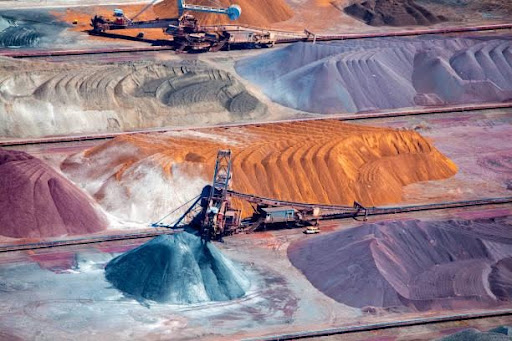
Africa stands as a geological treasure trove, endowed with vast reserves of critical minerals that are pivotal to the modern world’s technological and economic landscape. These minerals, defined by their economic significance, high supply risks, and limited substitutes, are the backbone of industries driving the global transition to renewable energy, digitalization, and advanced manufacturing. From the cobalt-rich depths of the Democratic Republic of Congo (DRC) to the platinum-laden fields of South Africa, Africa’s mineral wealth positions it as a linchpin in global supply chains. Yet, as outlined in Dr. Justin Mudekereza’s Critical Minerals, Dangerous Ties (2025), the continent’s potential is shackled by governance failures, environmental degradation, and social inequities. This blog explores what critical minerals are, their abundance in Africa, their global importance, the challenges hindering their exploitation, and the opportunities for sustainable development.
Defining Critical Minerals
Critical minerals are raw materials deemed essential for economic and industrial functions, with high risks of supply disruption and few viable substitutes. According to the U.S. Geological Survey and the European Union, these include cobalt, lithium, rare earth elements (REEs) like neodymium and dysprosium, graphite, manganese, platinum group metals (PGMs) such as platinum and palladium, and others like nickel and tantalum. Their “criticality” stems from their role in transformative technologies: cobalt and lithium power lithium-ion batteries for electric vehicles (EVs); REEs are crucial for wind turbine magnets and electronics; manganese strengthens steel and batteries; and PGMs are vital for catalytic converters and hydrogen fuel cells. In a world racing toward net-zero carbon emissions, these minerals are the building blocks of a green future, making Africa’s reserves a focal point of global interest.
Africa’s Mineral Wealth
Africa holds a commanding share of global critical mineral reserves, positioning it as a cornerstone of the world’s resource economy. The DRC dominates cobalt production, accounting for over 70% of global supply, with mines like Mutanda and Tenke Fungurume yielding vast quantities of this battery-essential mineral. South Africa leads in PGMs, supplying approximately 80% of the world’s platinum and 40% of palladium, primarily from the Bushveld Complex. The country is also a major manganese producer, alongside Gabon, which together contribute significantly to global steel and battery markets. Lithium deposits in Zimbabwe (e.g., Bikita mine) and Namibia (e.g., Karibib project) are gaining prominence as EV demand surges. Other nations like Zambia (copper and cobalt), Madagascar (graphite), and Mozambique (graphite and REEs) further bolster Africa’s mineral portfolio. Mudekereza notes that the DRC alone holds untapped reserves worth trillions, yet its people see little benefit due to systemic mismanagement.
Importance of Critical Minerals
The global shift to renewable energy and digital economies has skyrocketed demand for critical minerals. Lithium-ion batteries, powering EVs and energy storage systems, rely heavily on cobalt, lithium, and nickel. REEs are indispensable for permanent magnets in wind turbines and electric motors, while graphite is a key anode material in batteries. PGMs enable clean energy technologies like hydrogen fuel cells and catalytic converters, reducing emissions in traditional vehicles. Beyond energy, these minerals are critical for semiconductors, aerospace, and defense technologies, including fighter jets and missile systems. As nations like the U.S. and China compete to secure supply chains amid geopolitical tensions, Africa’s role becomes central. Mudekereza emphasizes that the U.S.-DRC minerals deal under President Trump, aimed at countering China’s dominance, underscores this strategic importance but risks entrenching corruption if not paired with democratic reforms.
The global energy transition amplifies Africa’s relevance. The International Energy Agency projects that by 2040, demand for lithium could rise 40-fold, cobalt 20-fold, and graphite 25-fold to meet clean energy goals. Africa’s reserves are thus not just economic assets but geopolitical leverage, as seen in 2025’s U.S.-backed DRC-Rwanda accord tied to mineral access. However, Mudekereza warns that such deals, if poorly structured, may prioritize foreign interests over Congolese welfare, perpetuating a cycle of exploitation seen in past agreements like the 2006 China-DRC deal, which promised infrastructure but delivered minimal development.
Challenges in Critical Mineral Exploitation
Despite its wealth, Africa faces formidable barriers to harnessing critical minerals for sustainable growth, as Mudekereza details in his critique of DRC governance. These challenges include:
Governance Issues
Corruption and weak institutions plague resource management across Africa. In the DRC, Mudekereza documents how public debt surged from $3 billion in 2019 to over $10 billion by 2024 under President Félix Tshisekedi, with little to show in infrastructure or services. Embezzlement scandals, such as the disappearance of mining revenues, go unpunished due to a compromised judiciary. Electoral fraud in 2018 and 2023, marked by extended voting periods and manipulated results, further erodes legitimacy, enabling elite capture of mineral wealth. Similar issues persist in other nations: Zimbabwe’s mining sector suffers from opaque contracts, while South Africa grapples with regulatory inefficiencies.
Environmental Concerns
Mining activities wreak havoc on Africa’s ecosystems. In the DRC, cobalt and gold mining cause deforestation, water pollution, and soil degradation, with artisanal mines often operating without environmental safeguards. South Africa’s platinum mines generate significant waste, impacting water quality and biodiversity. Mudekereza notes that unregulated mining exacerbates climate vulnerabilities, as communities lose arable land and clean water. For instance, mercury use in artisanal gold mining poisons rivers, affecting millions downstream.
Social Issues
Local communities bear the brunt of mining’s fallout. Displacement is rampant, with entire villages relocated for projects like the DRC’s Tenke Fungurume mine, often without adequate compensation. Labor conditions are dire: artisanal miners, including children, face hazardous environments for meager pay. Mudekereza highlights that over 10 million Congolese have died in resource-driven conflicts since the 1990s, with 5 million displaced by 2025, partly due to militia control over gold-rich areas like North Kivu. Benefit-sharing is minimal, as profits flow to foreign companies or local elites, leaving communities impoverished.
Geopolitical Pressures
Africa’s minerals attract intense foreign interest, often leading to exploitative deals. Mudekereza critiques the U.S.-DRC deal as a repeat of past failures, noting its opacity and potential to bolster Tshisekedi’s regime without addressing human rights abuses or electoral fraud. China’s dominance in DRC cobalt mining, controlling 70% of output through firms like CMOC, sets a precedent for unequal partnerships that prioritize extraction over development.
Opportunities Ahead
Africa’s critical minerals offer a pathway to transformative development if managed strategically. Mudekereza advocates for a “bottom-up” approach, emphasizing governance reforms and community empowerment. Key opportunities include:
Economic Diversification
By investing mineral revenues into local industries, African nations can reduce reliance on raw exports. For example, establishing battery manufacturing in the DRC or lithium processing in Zimbabwe could create jobs and add value. South Africa’s expertise in PGMs could spur innovation in hydrogen technology.
Sustainable Mining Practices
Adopting eco-friendly technologies, such as low-impact extraction and waste recycling, can mitigate environmental harm. International partnerships, like the EU’s Global Gateway initiative, could fund green mining infrastructure, as seen in Namibia’s lithium projects.
Regional Cooperation
African nations can leverage organizations like the African Union to negotiate fair trade agreements, ensuring equitable profit-sharing. The African Continental Free Trade Area (AfCFTA) offers a framework for intra-African mineral processing, reducing dependence on foreign refiners.
Empowering Communities
Directing revenues to healthcare, education, and infrastructure can uplift marginalized regions. Mudekereza’s proposal for aiding children fathered by UN peacekeepers in the DRC—$5.2 million for education and vocational training—exemplifies targeted social investment. Community-led mining cooperatives could also ensure fair labor practices and local benefits.
Global Partnerships
Responsible foreign investment, conditioned on transparency and human rights, can drive progress. The U.S. could shift from short-term deals to long-term commitments, as Mudekereza suggests, by supporting free elections and anti-corruption measures. Sanctions on illicit mineral traders, as imposed in 2025, signal a move toward accountability.
Africa’s critical minerals are a double-edged sword: a source of immense potential and profound challenges. Cobalt, lithium, platinum, and other resources position the continent as a linchpin in the global energy transition, yet corruption, environmental damage, and social inequities threaten to turn this wealth into a curse. Mudekereza’s Critical Minerals, Dangerous Ties underscores the need for legitimate governance, as seen in the DRC’s struggles under Tshisekedi. By prioritizing transparent institutions, sustainable practices, and community empowerment, Africa can transform its mineral bounty into a catalyst for equitable growth. The path forward lies in balancing global demand with local needs, ensuring that the continent’s riches forge a brighter future rather than heavier chains.