

Blogs
History of Mineral Exploitation in Congo

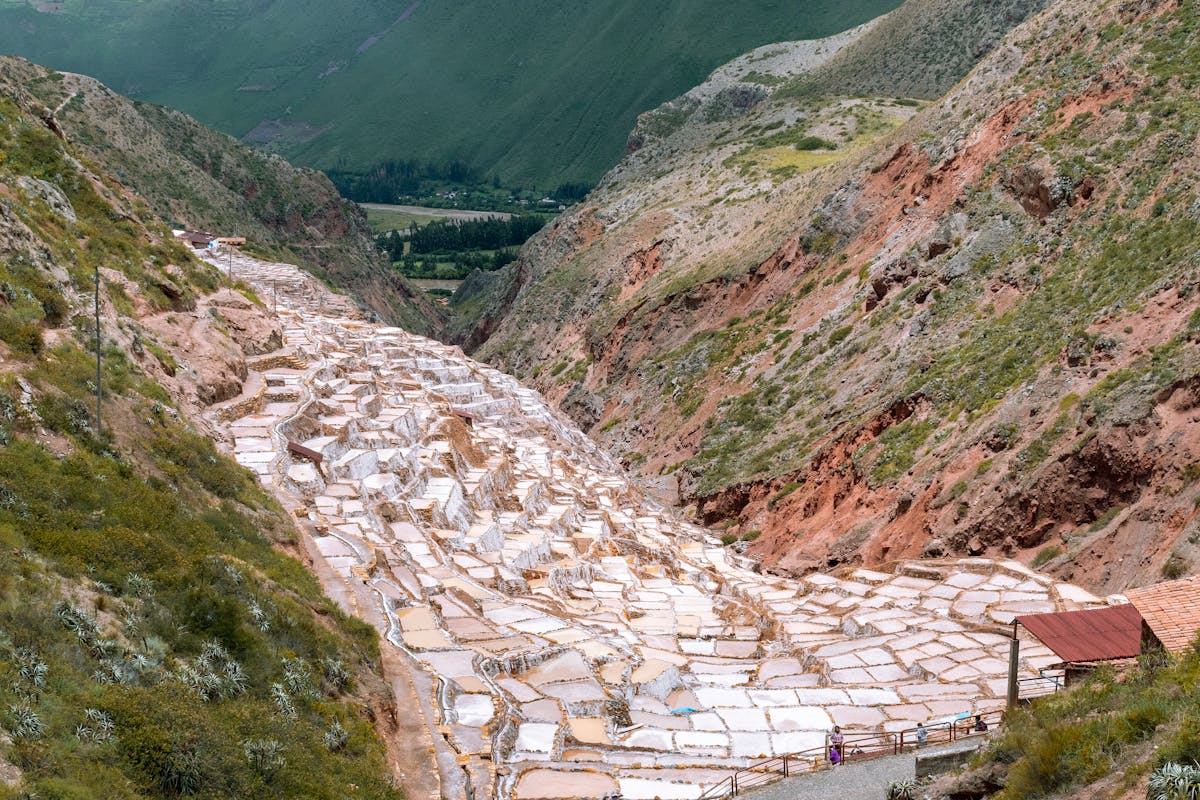
The Democratic Republic of Congo (DRC) is globally renowned for its vast mineral wealth. From the colonial era to modern times, the exploitation of Congo’s minerals has shaped its history, economy, politics, and society in profound ways. This story is not only about abundance and profit but also about exploitation, conflict, and the ongoing struggle to turn resources into real development. Below is a detailed look at how Congo’s mineral sector has evolved over time.
Early Exploitation Under Colonial Rule
The mineral exploitation in Congo dates back to the late 19th century when King Leopold II of Belgium claimed the Congo Free State as his personal possession. Under his brutal regime, natural resources like rubber and ivory were extracted through forced labor, leading to immense suffering and the deaths of millions. While minerals were not the initial focus, deposits of copper, tin, and diamonds quickly attracted attention.
When Congo became a Belgian colony in 1908, extraction intensified. Belgian authorities and European mining companies established concessions to exploit copper in Katanga, diamonds in Kasai, and gold in Ituri. The Union Minière du Haut-Katanga (UMHK), founded in 1906, grew into one of the most powerful mining companies in Africa, controlling copper, cobalt, and uranium production. Congo became a critical supplier of raw materials for European industries, while Congolese communities faced displacement, harsh working conditions, and exclusion from the benefits of their land.
Industrial Mining and Global Demand
By the early 20th century, Congo’s mineral wealth became a cornerstone of Belgium’s economy. Copper from Katanga supplied international markets, particularly during World War I and World War II. The discovery of uranium at the Shinkolobwe mine in Katanga had historic significance: uranium from Congo was used in the Manhattan Project to build the first atomic bombs. This made the DRC a strategic resource hub in the early nuclear era.
Diamonds from the Kasai region were also exported in massive quantities. By the 1950s, Congo was producing about 60% of the world’s industrial diamonds. Gold and tin further diversified the mineral economy. Yet while minerals fueled industrial growth abroad, Congolese workers endured poverty wages, and profits flowed largely to foreign shareholders.
Post-Independence Exploitation
Congo’s independence in 1960 brought hopes of reclaiming sovereignty over its resources. However, political instability quickly set in. The Katanga province, under Moïse Tshombe, attempted to secede with Belgian support to protect mining interests. The assassination of Prime Minister Patrice Lumumba in 1961 further destabilized the young nation.
Mobutu Sese Seko came to power in 1965, ushering in decades of authoritarian rule. His policy of “Zairianization” in the 1970s sought to nationalize the economy, including Gécamines, the state-owned mining giant. Initially, copper exports made Zaire (as the country was then known) prosperous, but corruption, mismanagement, and falling global prices crippled the sector. By the 1980s, Gécamines was near collapse, with infrastructure decaying and workers unpaid. Congo’s potential as a mineral giant remained unrealized due to poor governance.
The Rise of Conflict Minerals
From the 1990s onward, Congo’s mineral wealth became both a curse and a source of survival during prolonged conflict. After Mobutu was ousted in 1997, the DRC descended into wars that involved multiple neighboring countries. Minerals such as coltan (used in cell phones and electronics), cassiterite (tin ore), gold, and wolframite (tungsten) became crucial sources of funding for armed groups.
These resources, known as “conflict minerals,” were smuggled out of Congo and laundered into global supply chains. Local populations bore the brunt of violence, forced labor, and displacement as militias fought to control mining sites. The wars of the late 1990s and early 2000s, sometimes called “Africa’s World War,” left millions dead or displaced. International attention eventually led to regulatory efforts such as the Dodd-Frank Act (2010) in the United States, which required companies to disclose the use of conflict minerals in their supply chains. While these measures increased awareness, enforcement remains weak, and illicit trade continues in many areas.
The Role of Cobalt in the Green Energy Era
In recent years, cobalt has put Congo back at the center of global attention. The DRC produces more than 70% of the world’s cobalt, a mineral essential for lithium-ion batteries used in electric vehicles, smartphones, and renewable energy storage. This has made Congo indispensable in the global transition to clean energy.
However, cobalt mining has drawn criticism. Much of it is carried out in artisanal mines where workers, including children, labor in unsafe conditions for meager pay. Environmental damage from poorly regulated mining has also raised concerns. At the same time, multinational companies and foreign powers, particularly China, have secured large stakes in Congolese cobalt mines, sparking debates about sovereignty and equitable benefit-sharing.
While cobalt holds the promise of economic transformation, governance weaknesses persist. Efforts by the Congolese government, civil society, and international partners aim to improve transparency through initiatives like the Extractive Industries Transparency Initiative (EITI). Yet challenges remain in ensuring that wealth from cobalt translates into sustainable development.
Broader Impacts on Society and Politics
The exploitation of minerals has not only shaped Congo’s economy but also its political trajectory. Mineral wealth has often fueled corruption, propped up authoritarian regimes, and prolonged conflict. At the local level, mining has disrupted traditional livelihoods, strained communities, and created cycles of poverty and environmental degradation.
Conversely, minerals have also provided employment opportunities and foreign exchange earnings. The challenge lies in building strong institutions that can manage resource wealth for the common good, rather than for elites or external actors.
Looking Forward
The future of Congo’s mineral sector depends on governance reforms, infrastructure development, and equitable partnerships. Investments in value addition, such as refining and battery production, could help Congo move beyond being a raw material exporter to becoming part of global manufacturing supply chains. Regional cooperation with neighbors like Zambia offers further opportunities.
The international community also has a role to play. Demand for “responsible minerals” is growing, and pressure on multinational companies to ensure ethical sourcing is mounting. If Congo can strengthen its legal frameworks, combat corruption, and invest in human capital, its mineral wealth could finally become a blessing rather than a curse.
The history of mineral exploitation in Congo is a story of wealth, exploitation, resilience, and struggle. From the brutal colonial extraction of the early 20th century to today’s cobalt-driven green energy revolution, Congo has remained central to global industries. Yet its people have too often been excluded from the benefits. Turning this trajectory around requires transparency, responsible investment, and a genuine commitment to ensuring that Congo’s vast resources uplift its citizens. Only then can the DRC’s mineral wealth become a foundation for lasting prosperity.