

Blogs
What Is the Resource Curse in Africa?

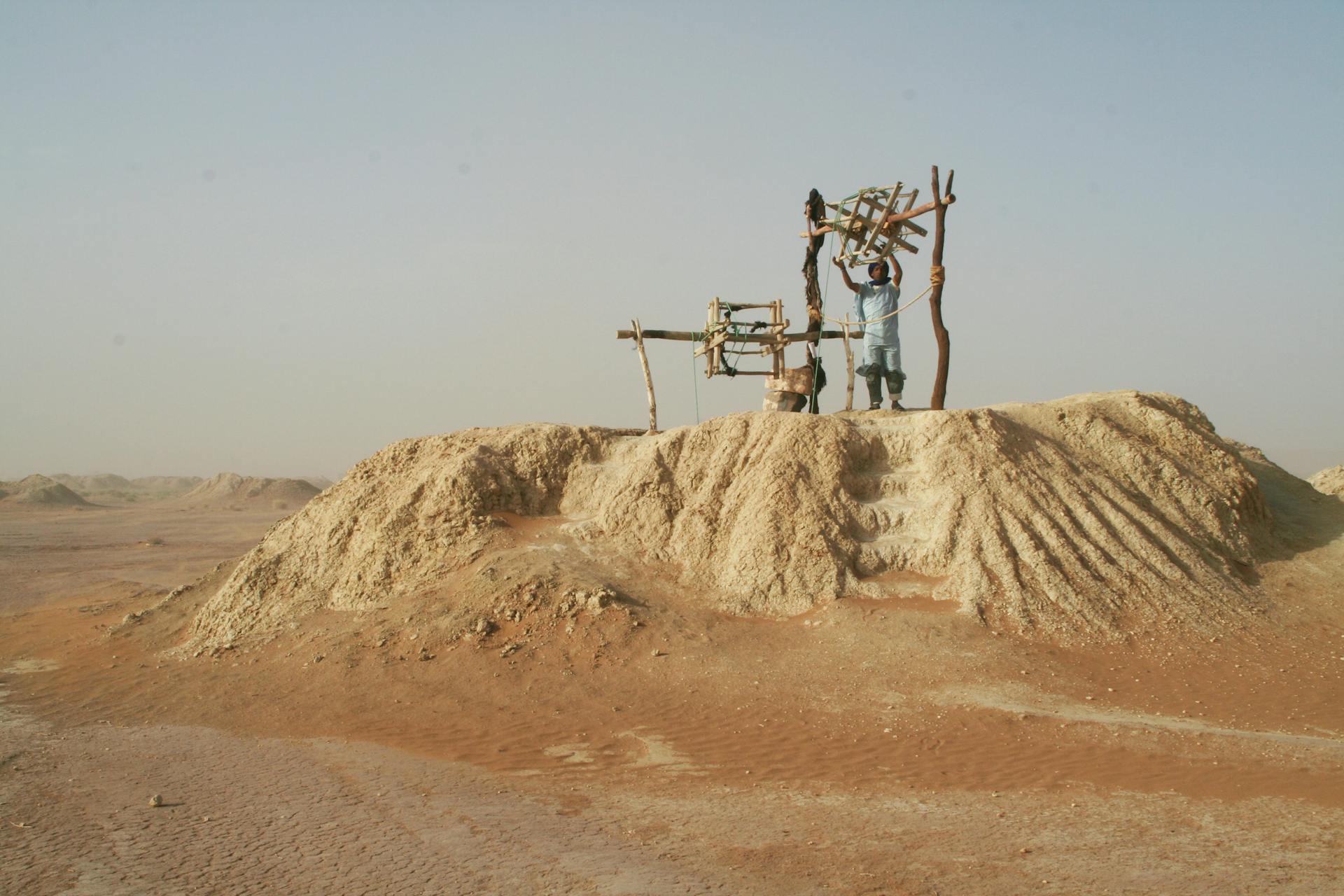
Africa is one of the most resource-rich regions on the planet. The continent holds vast reserves of oil, gas, gold, diamonds, copper, cobalt, and other minerals that power global industries. Yet many African countries that depend heavily on these exports remain poor, unstable, and underdeveloped.
This paradox is at the heart of what is resource curse in Africa: the idea that natural wealth can become a source of economic stagnation, corruption, and conflict rather than broad-based prosperity.
This blog explains what the resource curse is, how it appears in African countries, and what can be done to turn resource wealth into real development.
Defining the Resource Curse
In academic literature, the “resource curse” (also called the paradox of plenty) refers to a pattern where countries rich in oil, gas, or minerals tend to have:
- Slower long-term economic growth
- Higher levels of corruption
- Weaker democratic institutions
- More frequent or prolonged conflict
compared to countries with fewer natural resources.
Researchers have described several common characteristics of resource-dependent countries:
- Government budgets and exports dominated by oil, gas, or minerals
- Volatile public revenues that rise and fall with global commodity prices
- Low savings and poor investment in education, health, and infrastructure
- Overreliance on one sector at the expense of others (manufacturing, agriculture)
Importantly, experts emphasize that the resource curse is not automatic or inevitable. Under the right governance conditions, resource wealth can support development. The curse appears strongest where institutions are weak, accountability is limited, and politics is based on patronage and control of resource rents.
How the Resource Curse Works in Africa
When we look at resource-rich African countries, a similar pattern emerges. Oil and minerals generate huge revenues, but they also create powerful incentives and pressures that can undermine long-term development.
- Economic Volatility and Dependence
Many African economies rely heavily on one or two commodities—such as oil in Nigeria and Angola, or copper and cobalt in the Democratic Republic of Congo (DRC).
When global prices rise, government revenues surge. When prices fall, budgets collapse. This boom-and-bust cycle makes it hard to plan, invest, or maintain social programs. Governments may borrow heavily during booms and struggle to repay debts during busts, deepening fiscal crises.
- Dutch Disease and Neglect of Other Sectors
High export earnings from oil or minerals can lead to currency appreciation, making other exports (like agriculture and manufacturing) less competitive. Economists call this “Dutch disease.”
Over time, this can hollow out productive sectors and leave countries more dependent on raw resource exports, with limited diversification and few jobs outside extraction.
- Rent-Seeking, Corruption, and Weak Institutions
Oil and mineral revenues are highly concentrated. A small group of officials and companies can control billions of dollars with limited public scrutiny.
This often leads to:
- Grand corruption and embezzlement
- Patronage networks that reward loyalty rather than competence
- Undermining of independent courts, parliaments, and oversight bodies
Studies on resource-rich African states show that poorly governed resource revenues are linked to lower growth and weaker institutions over the long run.
- Conflict and Insecurity
In some African countries, minerals and oil fields become contested prize assets. Armed groups, political factions, and even neighboring states may fight to control them.
- In the DRC, resources like coltan, gold, cassiterite, and tungsten have financed armed groups and prolonged conflict, especially in the east.
- “Conflict minerals” continue to leak into global supply chains despite regulations aimed at cutting the link between minerals and violence.
In such contexts, resource wealth becomes a factor that sustains war and instability rather than peace and reconstruction.
Why Africa Is Especially Vulnerable to the Resource Curse
A Legacy of Extractive Colonialism
As documented in the history of mineral exploitation in Congo, colonial powers designed African economies around the extraction of raw materials for export. In Congo, for example, Belgian companies built powerful mining operations in copper, cobalt, uranium, and diamonds, while local communities were displaced and excluded from benefits.
This legacy left many countries with:
- Enclave extractive industries disconnected from the rest of the economy
- Limited infrastructure beyond what was needed to move resources to ports
- Weak state institutions and deep mistrust between citizens and rulers
These structural problems persist today and shape how resource revenues are managed.
Heavy Dependence on a Few Commodities
According to research on Africa’s resource-rich economies, a large share of export earnings and government revenues in many states still comes from a narrow set of commodities.
Examples include:
- Nigeria and Angola – heavily dependent on oil exports
- DRC and Zambia – reliant on copper and cobalt
- Equatorial Guinea and Gabon – dependent on hydrocarbons
This concentration magnifies the impact of price swings and makes diversification more difficult.
Governance Challenges and Democratic Deficits
Analyses of democracy in African nations highlight how resource-funded regimes often use oil and mineral revenues to bypass citizens. Governments that do not rely on taxes have less incentive to be accountable to the public.
Ruling elites can use resource money to:
- Finance security forces and patronage networks
- Influence elections and weaken opposition
- Reward allies and punish critics
This dynamic is central to what is resource curse in Africa: natural wealth that should support schools, hospitals, and infrastructure instead funds political survival and repression.
Case Studies: Resource Curse in African Countries
Nigeria: Oil Wealth Without Broad Prosperity
Nigeria is often described as a textbook example of the resource curse. Oil has generated hundreds of billions of dollars since the 1970s, yet the country continues to struggle with high poverty, unemployment, and inequality.
Key features of Nigeria’s experience include:
- Heavy dependence on oil for export earnings and government revenue
- Severe environmental damage and social conflict in the Niger Delta
- Corruption scandals involving missing or mismanaged oil funds
- Limited diversification beyond the hydrocarbon sector
Recent debates over reforms to Nigeria’s oil governance framework show how difficult it is to close “statutory leakages” and improve transparency in such a high-stakes sector.
Democratic Republic of Congo: Minerals and Conflict
The DRC is one of the world’s richest countries in terms of mineral resources—from cobalt and copper to gold, diamonds, coltan, and more. Yet it remains among the poorest on global development indicators.
Congo’s experience includes:
- A colonial and post-colonial history of extraction that benefited foreign companies and domestic elites more than ordinary citizens
- Armed groups financing operations through control of mining sites and smuggling of “conflict minerals”
- Weak institutions and recurring political crises that make transparent resource governance difficult
This combination of mineral abundance, weak state capacity, and regional interference has made the DRC a central example in discussions of the resource curse in Africa.
The Resource Curse and Democracy in Africa
The resource curse is not only about economics. It directly affects democracy and human rights.
In resource-rich African states:
- Ruling elites can use resource revenues to co-opt rivals, control security forces, and manipulate elections.
- Citizens have limited leverage because the government does not need broad-based taxation to fund itself.
- Opposition movements and civil society organizations often face repression when they challenge corrupt deals or demand transparency.
Studies also show that resource-rich countries are more likely to experience authoritarian rule or hybrid regimes, where elections exist but real power is concentrated in the hands of a small group benefiting from resource rents.
This helps explain why some African countries with impressive resource endowments perform poorly on indicators of political freedom, rule of law, and human development.
Is the Resource Curse Inevitable?
Recent research questions whether resource wealth always leads to negative outcomes. Some studies suggest that governance quality plays a decisive role: good institutions can turn resources into a blessing, while weak institutions turn them into a curse.
There are global examples of resource-rich countries that avoided the worst effects of the curse by:
- Saving a large share of resource revenues in stabilization or sovereign wealth funds
- Maintaining strong public financial management and oversight
- Investing in education, health, and infrastructure
- Supporting a diversified private sector
Within Africa, experiences vary widely. Some countries are slowly improving transparency and revenue management, while others remain trapped in cycles of mismanagement and conflict.
The key message is that what is resource curse in Africa is not just about geology or markets—it is about politics, institutions, and choices.
How African Countries Can Break the Resource Curse
To transform natural wealth into lasting development, African governments, citizens, and international partners can focus on several priorities.
- Strengthen Governance and Transparency
- Publish all contracts, payments, and production figures in the oil, gas, and mining sectors.
- Empower parliaments, auditors, and anti-corruption agencies to oversee resource revenues.
- Enforce conflict-of-interest rules and prosecute high-level corruption cases.
Initiatives like the Extractive Industries Transparency Initiative (EITI) can support these efforts, but domestic political will is essential.
- Diversify the Economy
- Use resource revenues to invest in agriculture, manufacturing, and services.
- Support small and medium-sized enterprises, vocational training, and infrastructure that benefit sectors beyond extraction.
Diversification reduces vulnerability to commodity price shocks and creates more employment opportunities.
- Add Value Locally
Instead of exporting raw ore or crude oil, countries can:
- Develop refining, processing, and manufacturing industries (for example, battery components from cobalt and lithium).
- Build regional value chains under frameworks like the African Continental Free Trade Area (AfCFTA).
This helps keep more value—and more jobs—inside Africa.
- Protect Communities and the Environment
- Enforce strict environmental standards and remediation requirements for mining and oil projects.
- Ensure fair compensation, consultation, and resettlement when communities are displaced.
- Support community-based monitoring of projects to report abuses and pollution.
Without social and environmental safeguards, resource projects will continue to fuel resentment and conflict.
- Link Resources to Democratic Reform
External partners (whether the U.S., EU, China, or others) and African governments should ensure that major resource deals are tied to:
- Respect for human rights
- Credible elections and peaceful transfers of power
- Independent courts and free media
Otherwise, new agreements risk reproducing the same patterns described in discussions of critical minerals, conflict minerals, and mineral exploitation across the continent.
Conclusion: From Paradox to Possibility
Understanding what is resource curse in Africa is essential for anyone interested in the continent’s future. The resource curse describes a pattern in which oil, gas, and minerals—rather than guaranteeing prosperity—can entrench corruption, weaken democracy, and prolong conflict.
But this outcome is not fixed. The same revenues that have fueled instability can, under stronger governance and public accountability, finance schools, hospitals, infrastructure, and economic diversification.
The real challenge is political, not geological: building institutions and coalitions strong enough to manage resource wealth in the public interest. If African countries can achieve this, natural resources will stop being a curse and start becoming the foundation for inclusive, sustainable development.