

Blogs
How Democracy Struggles in African Nations

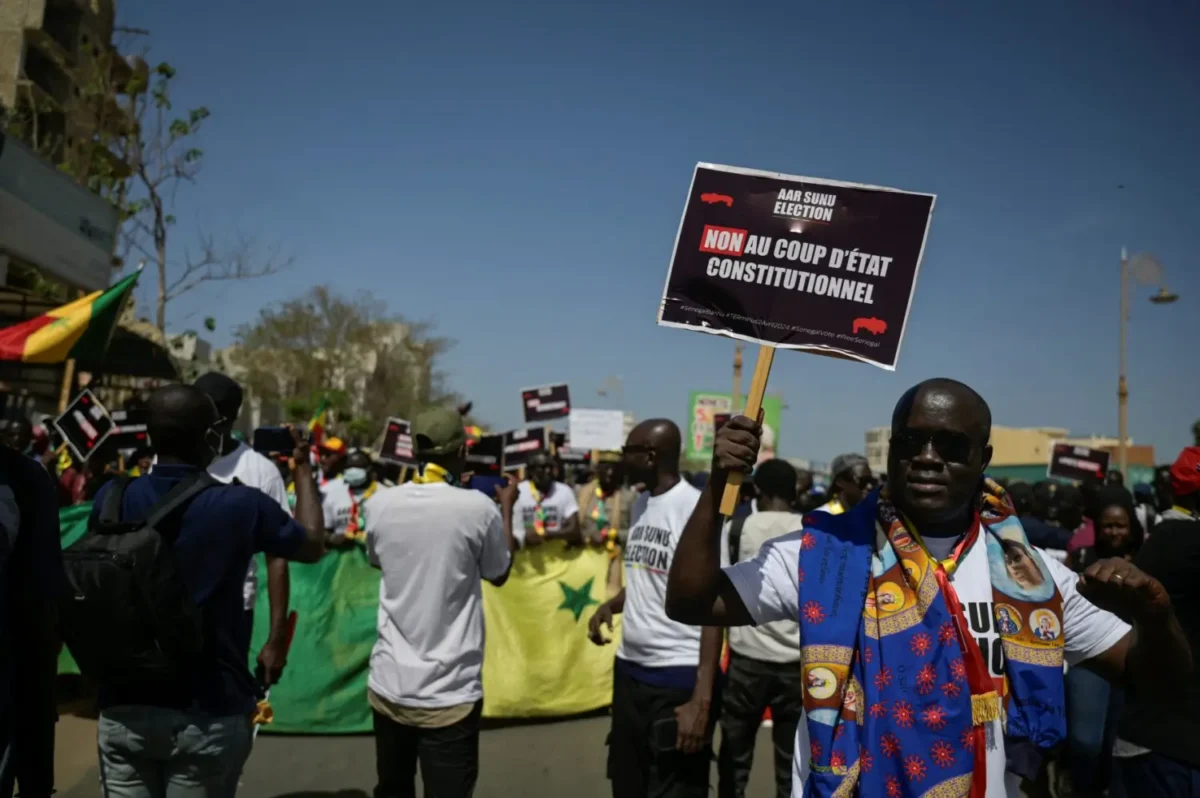
Democracy in Africa has faced a complex and uneven trajectory, shaped by colonial legacies, authoritarian regimes, socioeconomic struggles, and ongoing conflicts. Despite progress in some countries, democratic consolidation remains fragile, and in many cases, democracy struggles to take firm root across the continent. To understand these struggles, it is necessary to examine historical foundations, post-independence governance, institutional weaknesses, regional examples, and possible paths forward.
Colonial Legacy and Governance
The colonial era left African nations with borders that often ignored ethnic, cultural, and linguistic realities. European powers carved up the continent for their own benefit, establishing centralized systems of power designed to extract resources rather than promote self-rule. This legacy created weak foundations for democracy. When independence came in the mid-20th century, many states inherited centralized governance structures but lacked robust institutions to support multiparty systems, free press, or independent judiciaries.
Moreover, colonial education systems produced a small elite rather than broad civic participation. These elites often captured political power at independence, leading to one-party states or dominance by small ruling groups. For instance, in Ghana, Kwame Nkrumah initially promoted democratic ideals but soon shifted toward authoritarianism, suppressing opposition in the name of unity.
Military Coups and Authoritarian Rule
From the 1960s to the 1990s, coups d’état became a defining feature of African politics. Many leaders justified military interventions as necessary to restore order or protect national unity. In reality, most coups replaced one form of authoritarianism with another. Military rulers centralized power, restricted freedoms, and exploited resources for personal or elite gain.
Countries like Nigeria experienced multiple coups, with alternating civilian and military governments undermining stability. In Uganda, Idi Amin’s brutal dictatorship in the 1970s devastated institutions and entrenched a culture of fear. Such authoritarian episodes weakened trust in governance, eroded civil society, and hindered the development of democratic norms.
Democratic Transitions in the 1990s
The end of the Cold War brought external pressure and internal demand for democratization. Many African countries adopted multiparty systems during the 1990s. Constitutions were rewritten, elections were held, and civil society movements gained momentum. South Africa’s transition from apartheid to democracy in 1994 symbolized hope for the continent.
However, democratic institutions remained fragile. While elections were more common, they were not always free or fair. Leaders manipulated constitutions to extend term limits, opposition parties faced harassment, and media freedoms were curtailed. For example, in Zimbabwe, Robert Mugabe used both electoral manipulation and repression to stay in power for decades despite initial democratic promises.
Current Challenges
Democracy in Africa today faces numerous interlinked challenges:
- Election Irregularities: Fraud, voter intimidation, and manipulation of results undermine trust. In Kenya, disputed elections in 2007 led to widespread violence and loss of lives.
- Weak Institutions: Courts and legislatures often lack independence, leaving checks on executive power ineffective. This creates a cycle of unaccountability.
- Corruption: Mismanagement of resources erodes confidence in government. According to Transparency International, several African nations consistently rank high on global corruption indices.
- Security Issues: Insurgencies, terrorism, and ethnic conflicts destabilize regions. In the Sahel, groups like Boko Haram and al-Qaeda affiliates exploit governance gaps, undermining democratic stability.
- Economic Inequality: Persistent poverty and lack of economic opportunities weaken democratic participation, as citizens lose faith that democracy delivers tangible benefits.
Case Studies
- Nigeria: As Africa’s largest democracy, Nigeria embodies both progress and struggle. It has conducted multiple civilian elections since 1999, but challenges like electoral violence, corruption, and judicial weakness persist.
- Uganda: President Yoweri Museveni has ruled since 1986, amending the constitution to abolish term limits and extend his tenure. While elections are held, political competition remains constrained.
- Mali and Sudan: Recent coups highlight ongoing instability. In Mali, coups in 2020 and 2021 reflected frustration with corruption and insecurity. Sudan’s transition after the fall of Omar al-Bashir has faltered, with military leaders resisting civilian authority.
- Ethiopia: Once praised for democratic progress, Ethiopia has faced civil conflict in Tigray, raising questions about its democratic trajectory.
- South Africa: Though considered one of Africa’s strongest democracies, it struggles with corruption scandals, service delivery failures, and rising inequality, which threaten public trust.
Role of Civil Society and Media
Civil society organizations and independent media have played vital roles in advancing democracy. Grassroots movements, youth-led campaigns, and women’s groups continue to demand accountability and reform. For example, the #EndSARS movement in Nigeria highlighted police brutality and mobilized young citizens for democratic change. Similarly, digital media platforms are empowering activists to challenge state narratives and build transnational solidarity.
International Influence
External actors also influence Africa’s democratic trajectory. Western governments and international organizations often provide financial and technical support for elections and governance reforms. However, this support is sometimes criticized for being conditional, inconsistent, or too focused on electoral events rather than long-term institution building.
Meanwhile, the growing presence of China and Russia in Africa complicates the landscape. Their emphasis on economic and security cooperation without democratic conditions appeals to some leaders, potentially weakening incentives for democratic reform.
Path Forward
For democracy to flourish, African nations must strengthen institutions, promote transparency, empower civil society, and ensure inclusive governance. Some key steps include:
- Independent Institutions: Safeguarding judicial independence and strengthening parliaments can provide checks on executive power.
- Electoral Reforms: Transparent voter registration, impartial electoral commissions, and adoption of digital voting technologies can reduce fraud.
- Tackling Corruption: Enforcing anti-corruption laws and empowering watchdog agencies are critical.
- Security Sector Reform: Professionalizing armed forces and ensuring civilian oversight can prevent coups and protect democratic systems.
- Regional Cooperation: African Union (AU) frameworks, such as the African Charter on Democracy, Elections and Governance, can be better enforced to discourage unconstitutional changes of government.
- Civic Education: Educating citizens about their rights and responsibilities strengthens democratic culture.
Democracy in Africa remains a work in progress. While challenges persist, there is resilience among African citizens pushing for accountability, reform, and freedom. The continent’s democratic future depends on addressing systemic issues such as corruption, weak institutions, and insecurity, while building leadership committed to democratic values. Ultimately, Africa’s path to democracy will not be linear, but the determination of its people continues to inspire hope for a more inclusive and just political future.